Table of Contents
- – Relational Healing in the Healing Journey for ...
- – The Inner Voices That Drive Perfectionism
- – Reconnecting: Moving from Disconnection to In...
- – Safe Relationships in the Therapeutic Relatio...
- – Success-Driven Behavior in Therapists
- – Concrete Tools for Embarking on Your Healing...
- – Secondary Trauma in Caregiving Roles
While everybody experiences pain differently, identifying the numerous phases of grief can help you anticipate and recognize some of the reactions you may experience throughout the mourning process. It can additionally aid you understand your demands when regreting and discover means to fulfill them. Recognizing the mourning procedure can eventually aid you pursue approval and healing.
You may acknowledge feelings that a phase describes, and this will aid you understand which phase you are in. Phases can also come and go, and and earlier stage can return later on.
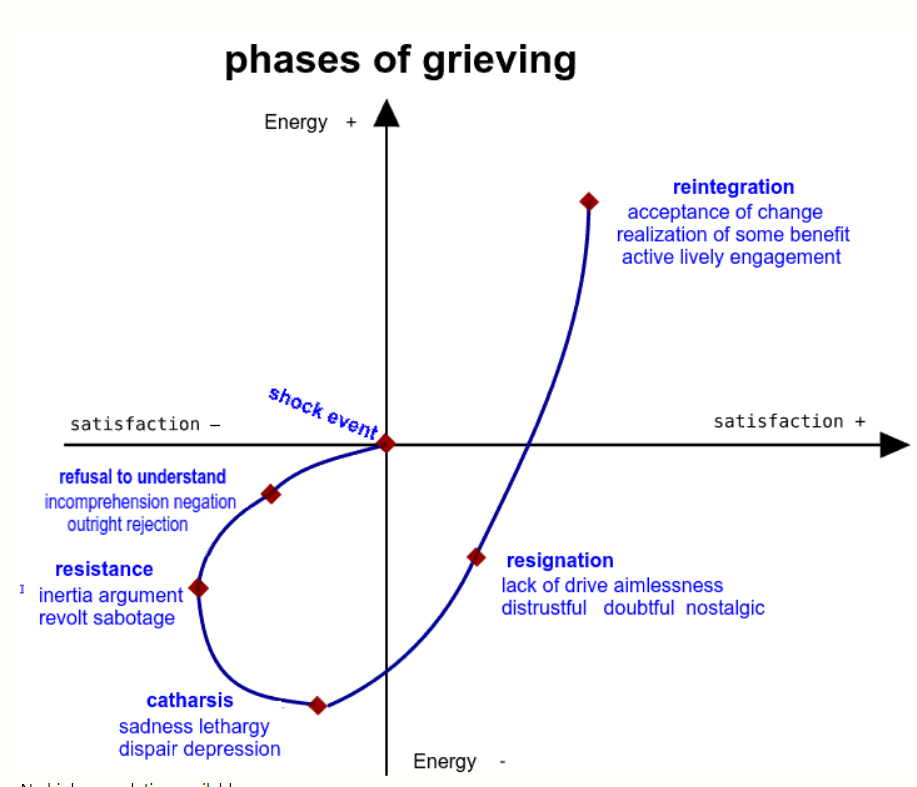
Despair is an universal human experience that touches everyone at some factor in life. Whether it's the loss of an enjoyed one, completion of a connection, a career trouble, or an additional significant change, sorrow is the natural emotional response to loss. According to the American Psychological Association, around 10-20% of individuals experience complicated griefa consistent type of intense griefafter losing someone near them.
It stands for the intensity of your love and the deepness of your loss. The negotiating stage often involves a collection of "what happens if" and "so" thoughts as you psychologically discuss for a different end result: "If just I had taken them to the doctor quicker ..." "What happens if I had been a better partner/friend/child?" "I guarantee to be a far better person if this discomfort disappears"A 2020 review in the Journal of Therapy Psychology discovered that bargaining thoughts happened in approximately 57% of bereaved people, with greater rates amongst those taking care of unexpected or unforeseen losses.
Relational Healing in the Healing Journey for Anxiety Specialists
Acceptance doesn't suggest you're "over it" or that the discomfort has actually vanished. Instead, it suggests you're learning to live with the loss as component of your story: Adjusting to a new reality Locating new regimens and patterns Experiencing minutes of happiness without sense of guilt Being able to speak concerning the loss much more quickly Creating meaning from your experienceA longitudinal research released in JAMA Psychiatry found that many bereaved people reached some degree of approval within 6-24 months, though this timeline differs substantially depending upon aspects like partnership to the departed and conditions of death.
If you're regreting, remember this: your grief mirrors the deepness of your connection. It's not something to "overcome" yet rather to relocate through, bring your love and memories ahead right into a life that, while forever transformed, can still hold meaning and joy.
Sorrow is an all-natural emotional response to loss. Grieving is a process that can assist you come to terms with a loss, such as when a loved one passes away. Everybody experiences grief in different ways. Your experience of sorrow and just how you manage it will depend on various factors. These might include your age, previous experiences with despair and your spiritual or religious sights.
The Inner Voices That Drive Perfectionism
Awaiting despair indicates sensation unfortunate prior to the loss takes place. As opposed to regreting for the individual, who is still with you, you might feel sorrow for the important things you won't get to do with each other in the future. When dealing with a substantial loss, such as the fatality of an enjoyed one, it is all-natural to feel many solid emotions.
Individuals diagnosed with an incurable ailment and those dealing with the fatality of a loved one may experience awaiting sorrow., you may experience many emotions consisting of shock, anxiety and despair.
You grieve lost possibilities or experiences you'll miss out on also little ones, such as the enjoyment of the sunlight or a hot cup of coffee. If someone you love is encountering a terminal health problem, it prevails to experience anticipatory pain in the months, weeks and days before death. You might grieve the same points your loved one is mourning, or different losses altogether.
Reconnecting: Moving from Disconnection to Integration Through IFS
You might feel that the person you knew is already gone, also if they are still literally there. If your liked one has a decline in physical health or movement, you may feel anticipatory despair as you shed the possibility to share experiences, such as hobbies, holidays or occasions.
This is specifically real if you spend a great deal of time looking after the person. You may miss out on activities you used to appreciate together and feel pain regarding the change in your relationship. The nature of your relationship might alter as you handle a carer's duty, or come to be the one being cared for.
Safe Relationships in the Therapeutic Relationship for High-Achievers
Feelings of pain prior to death are normal it's important to acknowledge them, and to talk regarding them. Experiencing anticipatory sorrow doesn't always mean that you will regret your liked one any less after they are gone.
Success-Driven Behavior in Therapists
Individuals talk about the 5 stages of despair as: denial temper negotiating clinical depression acceptance. In reality, we do not experience sensations of grief one by one or in a certain order. We understand that there are no arrange that everyone experiences. You might experience these things since they are all regular feelings of pain.
Some individuals really feel numb after the death of a person they cared around. If you experience this, it can be since it's just too tough to think that the individual you understand so well is not coming back.
Concrete Tools for Embarking on Your Healing Journey with IFS in the Area
Perhaps they promise themselves that they will now constantly do (or otherwise do) something, thinking that it can make the individual who has actually died come back. Or possibly they think it will stop any individual else passing away or various other negative points happening. This is sometimes called 'enchanting reasoning'. Individuals might also discover that they maintain returning over the past and ask whole lots of 'suppose' questions, desiring that they might return and alter points to ensure that they can have ended up in different ways.

These sensations can be really extreme and excruciating, and they might come and go over numerous months or years. Many individuals locate that uncomfortable sensations like this ended up being much less solid over time. If you do not feel this holds true for you, then you need to request for aid.
Her model became widely approved as a means to comprehend pain, however with time, grief counsellors and scientists broadened upon it, bring about the development of the. This extended model integrates added psychological actions that individuals might experience: The preliminary response to loss typically brings shock and disbelief. This stage acts as a safety device, allowing us to take in the fact of our loss in manageable dosages.
Secondary Trauma in Caregiving Roles
As the shock discolors, deep psychological pain collections in. Sensations of remorse or guilt may arisewondering if you could have done something differently, or feeling grief over things left unexpressed. It's vital to recognize these feelings rather than suppress them. Sorrow can manifest as angertoward yourself, others, and even the individual that has actually passed.

Table of Contents
- – Relational Healing in the Healing Journey for ...
- – The Inner Voices That Drive Perfectionism
- – Reconnecting: Moving from Disconnection to In...
- – Safe Relationships in the Therapeutic Relatio...
- – Success-Driven Behavior in Therapists
- – Concrete Tools for Embarking on Your Healing...
- – Secondary Trauma in Caregiving Roles
Latest Posts
Marriage Therapy Within Multiple Languages
Fostering Resilience in Falls Church, VA
Self-Care as Part of Healing in San Francisco
Navigation
Latest Posts
Marriage Therapy Within Multiple Languages
Fostering Resilience in Falls Church, VA
Self-Care as Part of Healing in San Francisco