Table of Contents
Honestly interact with your specialist about any issues or modifications in your mental wellness, and with each other, you can determine the most proper strategy. Open and truthful communication with your specialist is critical when going over the frequency of the sessions. Below are some suggestions on exactly how to properly interact your requirements and problems: Take a while to mirror on your treatment experiences and exactly how the present regularity is influencing your development and well-being and whether you require.

Take these referrals into factor to consider and go over any bookings or problems you may have. Remember, your therapist is there to sustain you in your psychological health and wellness trip. By preserving open and clear communication, you can collaborate to discover the frequency that best supports your growth and health.
It's essential to recognize that the frequency of sessions can be adjusted based on the client's needs and progression. If you're battling with clinical depression and discover that you want much more assistance, it's entirely reasonable to share your wish to see your specialist more commonly. Frankly mentioning, "I want to see my therapist more frequently," throughout a session can unlock to talking about prospective adjustments in session regularity.
Effective Strategies for Inner Healing
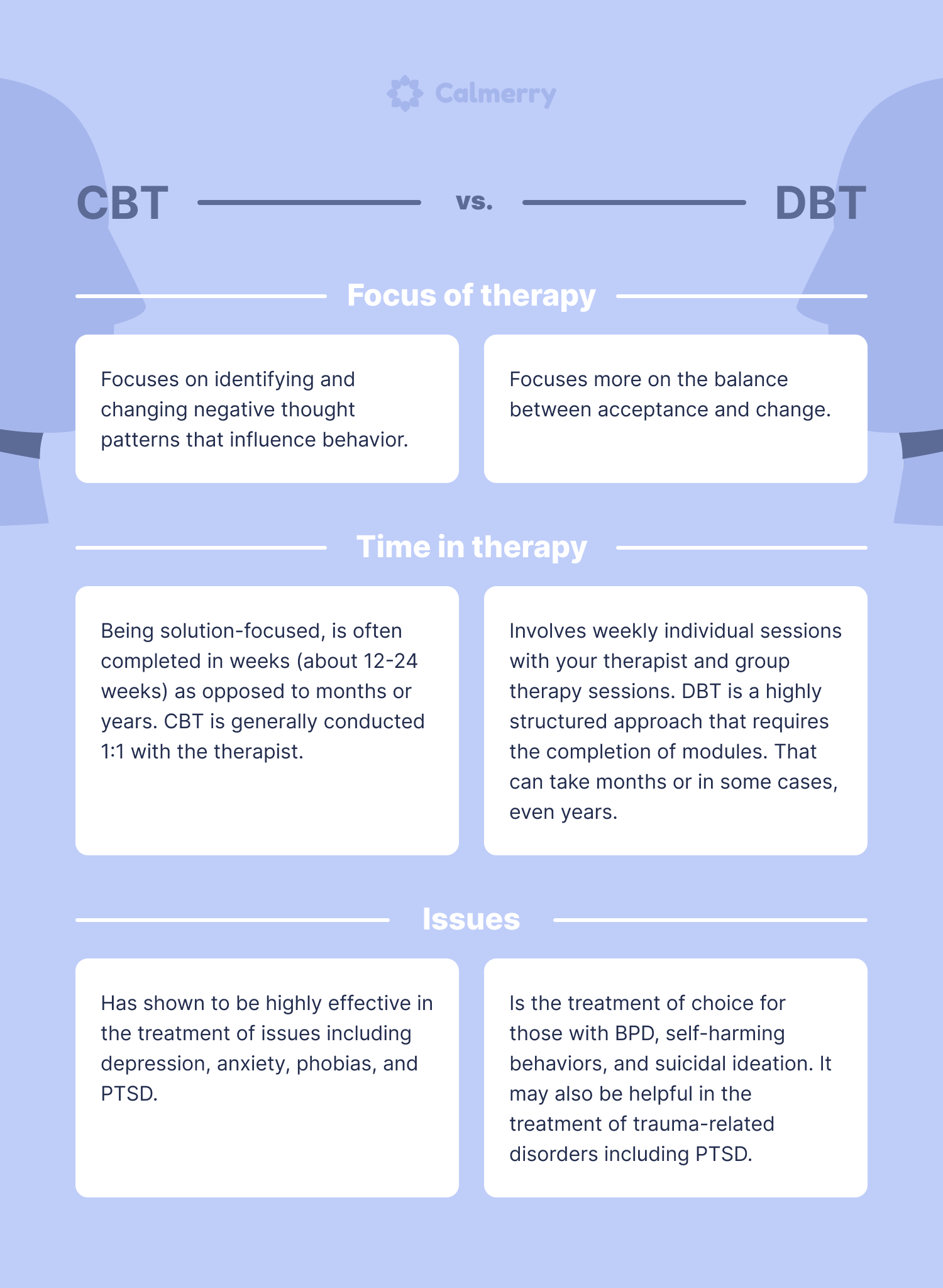
Occasionally, clients with a lot more extreme clinical depression or that often have ideas of self-destruction or self-harm might take advantage of DBT. When you're joining DBT you typically will have a weekly private therapy session, a regular 2 hour group abilities training session and some training calls with your specialist. So, that's a bigger time dedication yet is an incredibly reliable way to treat anxiety.
We are devoted to providing the degree of care that finest sustains your trip towards improved psychological health and wellness and health. Therapy frequency is a critical aspect of mental wellness therapy, and it's necessary to find the appropriate balance that fits your unique demands. While treatment every two weeks can be ideal for some people, it may not provide the essential support and progress for others.
It is necessary to keep in mind that treatment is not one-size-fits-all, and the suitable frequency of sessions can differ considerably from person to individual. For some, therapy every 2 weeks might be enough, particularly when they are in a steady phase of their treatment journey. This regularity permits even more extensive durations of self-reflection and method of the abilities learned in therapy.
Dedicated Therapy for perfectionism Treatment
Throughout this moment, the regularity of sessions may need to be readjusted based on your progression and progressing requirements. In some instances, treatment as soon as a week isn't sufficient to attend to intricate psychological wellness problems or serious signs. People dealing with injury or serious anxiety might profit from more constant sessions to make certain constant assistance and symptom management.
Don't wait to reach out and have an open discussion with us concerning your therapy frequency. With each other, we can figure out the ideal method to support your psychological wellness and wellness successfully.
At Aspire Counseling, we're here to assist you every action of the method.
Adapted Approaches for Distinctive Distinctive Needs
Treatment regularity isn't one-size-fits-all. Exactly how commonly you ought to most likely to therapy depends upon your individual goals, psychological wellness problem, and the sort of treatment session you're participating in. Lots of people begin with once a week therapy sessions, however in time, that cadence can shift. Whether you're looking for assistance for stress and anxiety, clinical depression signs, trauma, or connection concerns, the right session frequency plays a vital duty in your therapy trip.
When you're dealing with a significant mental disease, learning psychological policy abilities, or overcoming major life adjustments, once a week visits create framework and momentum. As your signs and symptoms support or goals shift, you may transition to bi-weekly sessions and even a month-to-month session. These less frequent check-ins can still offer liability and space for reflection, particularly when therapy is part of a wider self-care or healthcare regimen.
Therapy is most effective when it's constant. The speed of your sessions straight affects just how swiftly and deeply you can refine your emotions, establish insight, and make behavior adjustments.
Bi-weekly sessions use more versatility and are often made use of after preliminary progress has been made. This regularity may be suitable for individuals who are in a more secure place or are managing moderate symptoms. That stated, the extended gap between sessions may restrict possibilities for real-time assistance and decrease the speed of change.
Moving Beyond from Unrealistic Standards
In these situations, constant sessions use a stabilizing pressure, developing room for safety and security, handling, and emotional policy. Some individuals also attend treatment extra often if they are going via partnership struggles or if they are involved in pairs and family treatment as well as individual therapy.
Pairs therapy may likewise require an extra constant cadence throughout times of situation or conflict to rebuild trust fund and communication. A monthly session can be reliable for those in maintenance modepeople that have actually finished the more intensive component of their treatment trip and currently seek occasional check-ins to stay based.
The very best way to establish the best pace is with an open discussion with your specialist. They'll aid examine your objectives, progression, and needsand recommend a suitable timetable. Treatment regularity must develop with you. Many individuals begin with once a week treatment sessions to develop relationship and energy. Gradually, as coping strategies become acquired behavior and difficulties are fixed, you may move to bi-weekly sessions or regular monthly upkeep sessions.

Navigation
Latest Posts
Creating Meaningful Trust Through Relational Life Therapy
Supporting Adults via ADHD testing for Growth
The Research Behind Mental Health Care